If you are anything like me, you may end up feeling drained or tired of a game shortly after picking it up. The reasons can be vast, but nowadays I try to find ways to make sure I retain my interest in something.
Limit Guide Usage
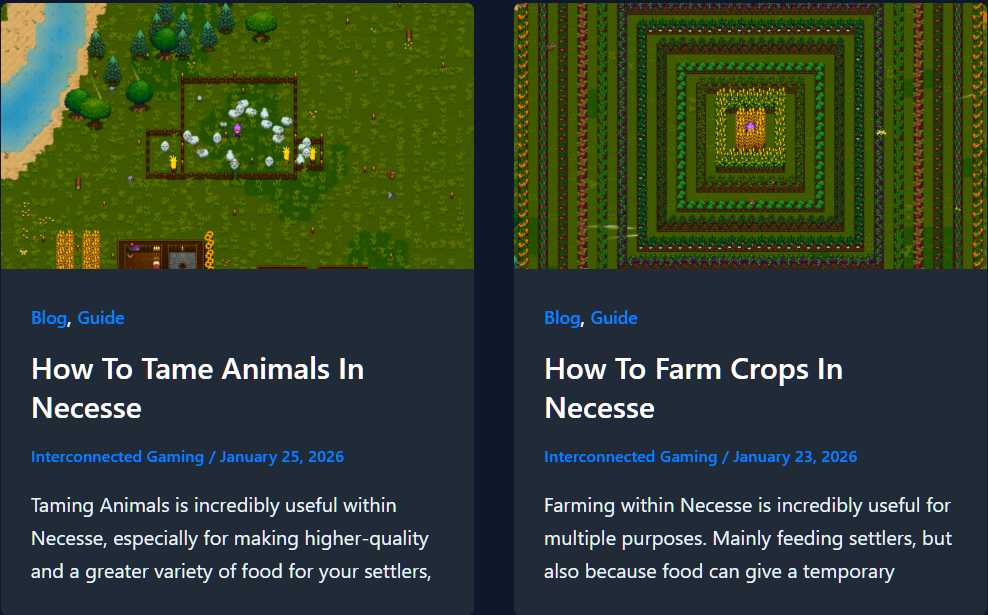
I know that this section can be a smidge hypocritical; we all use them, and I’ve started writing some slowly but surely. Such as the guide here for taming animals that I made for Necesse.
But what I am referring to is to try and give yourself time when you reach a section you are not sure of, give a puzzle a few attempts, try and find some collectibles within an area or map throughout your playtime, possibly even make choices without searching them up, and try not to search up the best gear in a game.
Figuring out a puzzle can be a rewarding feeling, and prevents you from feeling like you are just “watching” something, even if you are playing it. Finding collectibles is similar in this regard. Making choices can feel unique to you, and if you aren’t a fan of a path, you may be able to reload or try playing again for a different outcome. Searching for gear can lead to a problem, at least for me, where I only focus on that and see everything else as, at best, a stepping stone, and at worst, annoying to deal with until I have the thing I saw.
Guides are perfectly fine when you feel frustrated at an outcome, or genuinely are lost at something, but over usage can lessen the value of your experience, as it becomes a mesh of everyone else’s, or even just one’s experience fully written out and recorded for someone to copy.
A Unique Experience
My most memorable gaming moments were when I was younger; every game felt starkly unique from the others.
- Roller Coaster Tycoon 3, A themepark management game
- Fable, a Fantasy RPG centered around morality as its main concept.
- Golden Eye 007, A Nintendo 64 first-person shooter.
The point of listing the above is to showcase that all of them are starkly different, not just in graphics, but in where they are played, what they are from each other.
It can be scary to spend money on a game you don’t know if you’ll even like, or if your hardware can properly run it. But I’ve learned to fear it less. Even if a game isn’t for me, I often enjoy certain aspects of it anyway, and, if a game struggles badly to run, Steam’s refund policy especially is hyper generous.
Another aspect that may affect enjoyment, which sometimes can be partially out of our control, is the people we play with. You may simply want to play a game differently from others around you.
An example I have of this is Phasmophobia. I wanted to play the game and experience its horror elements; unfortunately, everyone else around me had already played the game significantly, knew all of its ins and outs, and instead of it being a group horror experience, was just a series of tutorials thrown to me.
Sometimes, it is worth it to play a game on your own, to experience the values before others can affect your own personal experience. Other times, a game functions best with others; it takes time to know what matters most to you when gaming.
Limiting Usage Of Convinces, Especially Fast Travel
On the complete opposite end of using options is trying to avoid certain options where possible.
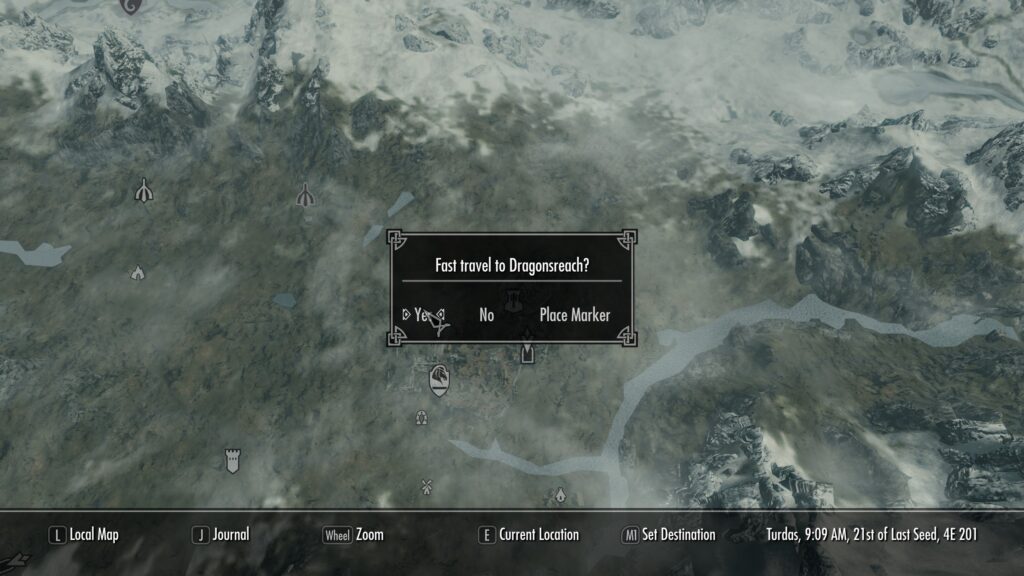
For example, many games have the feature of fast travel in their worlds, as players have come to expect it.
However, many games have features that are more random events that happen during travel, and by constantly fast-traveling, these events may be missed.
The game can also feel like a “checklist simulator” at times, as instead of seeing the game world, you just warp to a location and walk to the nearest mission marker.
However, I can’t blame people who use the feature; I know I utilize it as well, limited time, excitement to do a certain mission, or anything else similar. But I recommend trying to use it less early on in a game experience, and if the open world is truly boring, to start utilizing it more often.
Using Options
This applies to multiple things, options would include.
- Item’s, especially consumable.
- Extra combat options, such as magic, summons, or any other mechanic within a game.
- Going for a different build route entirely, in any game. Rogue-like, colony building, RPG’s.
The fear of using items often stems from “what if something isn’t renewable,” and I understand that entirely, but especially on a first run, it shouldn’t matter heavily. Likely, unless you are streaming the game, the only one who will be impressed at using no items will be you. If you are like me, you’ll entirely forget that you completed a run without using items. Most games nowadays work around the fact that someone may not use them at all.
Extra combat options are often left ignored entirely, as often they just are not needed, but when I’ve tried games again and focused on those options when they came up, such as Fable or Kingdom Hearts 2, the game became a much more enjoyable and interesting experience.
If you truly wish to do a run without such options, that is entirely fine, but I highly recommend doing so after a first-time experience playing the game with every option; it will make the run without those options even more interesting as you realize the difficulty of losing them.
Overall
What I have learned over the years when playing a game, is that often adding in some form of resistance, either in reducing guide usage, trying game genres I normally avoid, utilizing options I may not “need,” and anything else, will often make the game experience far better for yourself.